
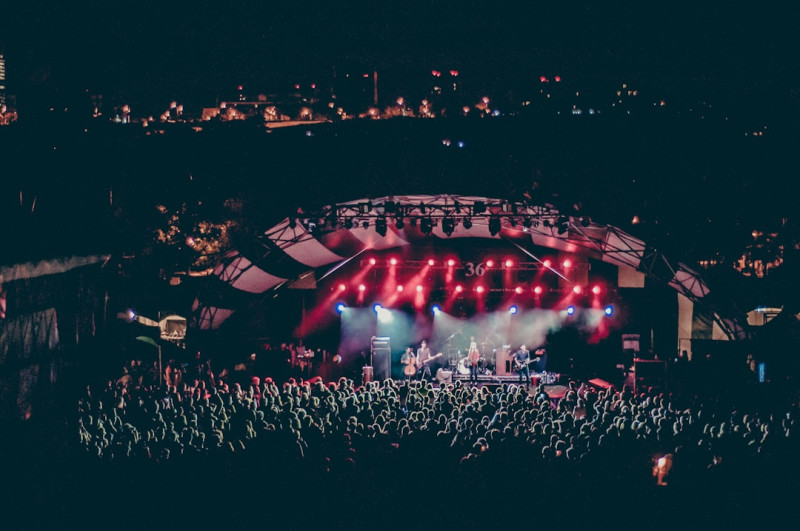
The music industry is a complex ecosystem that has evolved significantly over the years. It encompasses various sectors, including recording, publishing, live performances, and merchandising. Each of these areas plays a crucial role in how artists create, distribute, and monetize their music.
Understanding this landscape is essential for any musician or music professional looking to navigate their career effectively. The rise of digital technology has transformed how music is consumed, shifting from physical sales to streaming services. This change has created new opportunities and challenges for artists, making it vital to stay informed about industry trends.
In addition to the shift towards digital consumption, the music industry is also characterized by its competitive nature. Thousands of new artists emerge every year, each vying for attention in a crowded marketplace. To stand out, musicians must not only focus on their craft but also understand the business side of music.
This includes knowing how to market themselves, build a brand, and connect with their audience. By grasping the intricacies of the industry, artists can better position themselves for success and make informed decisions about their careers.
Key Takeaways
- The music industry landscape is constantly evolving and it’s important to stay updated with the latest trends and innovations.
- Building a strong brand identity is crucial for standing out in the competitive music industry and connecting with fans.
- Creating a compelling online presence through websites, social media, and streaming platforms is essential for reaching a wider audience.
- Utilizing social media for promotion can help artists connect with fans, build a fanbase, and increase visibility.
- Developing a marketing plan that includes networking, collaborating with industry professionals, and leveraging digital distribution is key to generating revenue and success in the music industry.
Building a Strong Brand Identity
A strong brand identity is essential for any musician looking to make a lasting impression. This identity encompasses everything from your music style and visual aesthetics to your messaging and public persona. It’s important to define what makes you unique and how you want to be perceived by your audience.

Start by identifying your core values and the emotions you want your music to evoke. This clarity will guide your creative choices and help you communicate effectively with fans. Visual elements play a significant role in brand identity.
Consider how your album artwork, social media graphics, and promotional materials reflect your style and message. Consistency across these platforms helps reinforce your brand and makes it more recognizable. Additionally, think about your online presence.
Your website and social media profiles should align with your brand identity, providing a cohesive experience for fans. By investing time in building a strong brand, you create a foundation that can support your career for years to come.
Creating a Compelling Online Presence
In today’s digital age, having a compelling online presence is non-negotiable for musicians. Your website serves as the central hub for your music career, where fans can find information about your latest releases, upcoming shows, and merchandise. A well-designed website should be user-friendly and visually appealing, showcasing your brand identity while providing easy access to your content.
Include high-quality images, engaging videos, and clear calls to action that encourage visitors to explore further. Social media platforms are equally important for building an online presence. They allow you to connect with fans on a personal level and share updates in real time.
Choose platforms that align with your target audience and focus on creating engaging content that resonates with them. Regularly post updates about your music, behind-the-scenes glimpses of your creative process, and personal stories that help fans feel connected to you as an artist. By maintaining an active online presence, you can foster a loyal fanbase that supports your music journey.
Utilizing Social Media for Promotion
Social media is one of the most powerful tools available for promoting music today. It offers artists the ability to reach a global audience without the need for traditional marketing budgets. To make the most of social media, develop a strategy that outlines your goals and the types of content you want to share.

This could include music videos, live performances, or even interactive Q&A sessions with fans. Engaging content not only attracts attention but also encourages sharing, which can amplify your reach. Consistency is key when using social media for promotion.
Regularly posting updates keeps your audience engaged and informed about your activities. Use analytics tools provided by platforms like Instagram and Facebook to track engagement metrics and understand what content resonates most with your followers. This data can help you refine your strategy over time, ensuring that you’re effectively reaching your target audience.
By leveraging social media effectively, you can create buzz around your music and build a community of dedicated fans.
Developing a Marketing Plan
A well-thought-out marketing plan is essential for any musician looking to promote their work effectively. Start by setting clear objectives that align with your overall career goals. These could include increasing your fanbase, boosting album sales, or promoting an upcoming tour.
Once you have defined your objectives, outline the specific strategies you will use to achieve them. This might involve a mix of online advertising, social media campaigns, email marketing, and collaborations with other artists. Budgeting is another critical aspect of developing a marketing plan.
Determine how much you can allocate to various promotional activities and prioritize those that will have the most significant impact on your goals. Consider investing in professional services such as graphic design or public relations if it fits within your budget. A comprehensive marketing plan not only helps you stay organized but also ensures that you are making strategic decisions that will drive your career forward.
Engaging with Fans and Building a Fanbase
Direct Engagement with Fans
Consider hosting live Q&A sessions or virtual meet-and-greets where fans can ask questions and connect with you on a personal level.
Exclusive Content and Experiences
In addition to direct engagement, consider offering exclusive content or experiences to fans who support you. This could include early access to new music, behind-the-scenes footage, or special merchandise discounts.
Building a Strong Fanbase
By providing unique experiences, you create a deeper connection with your audience and encourage them to become advocates for your music. Building a strong fanbase takes time and effort, but the rewards are well worth it as they become an integral part of your journey.
Networking and Collaborating with Industry Professionals
Networking is an essential component of success in the music industry. Building relationships with industry professionals can open doors to new opportunities and collaborations that enhance your career. Attend industry events such as conferences, showcases, or local gigs where you can meet other musicians, producers, and promoters.
Be genuine in your interactions; focus on building meaningful connections rather than simply seeking out potential benefits. Collaboration is another effective way to expand your reach and tap into new audiences. Working with other artists can introduce you to their fanbase while allowing you to create fresh and innovative music together.
Look for artists whose style complements yours or who share similar values. Collaborations can take many forms, from co-writing songs to featuring on each other’s tracks or even organizing joint performances. These partnerships not only enrich your musical journey but also strengthen your network within the industry.
Leveraging Streaming Platforms and Digital Distribution
Streaming platforms have revolutionized how music is consumed and distributed today. Services like Spotify, Apple Music, and YouTube provide artists with unprecedented access to global audiences. To leverage these platforms effectively, ensure that your music is available on all major streaming services through digital distribution channels like DistroKid or TuneCore.
This accessibility increases the chances of reaching new listeners who may discover your work through playlists or recommendations. Promoting your music on streaming platforms requires strategic planning as well. Create engaging playlists that feature not only your tracks but also songs from artists you admire or collaborate with.
This approach can attract listeners who appreciate similar styles while showcasing your musical influences. Additionally, consider submitting your songs to playlists curated by influencers or industry professionals; getting featured on popular playlists can significantly boost your visibility and streams.
Generating Revenue through Merchandise and Live Performances
Merchandise sales and live performances are vital revenue streams for musicians beyond streaming royalties. Creating unique merchandise that reflects your brand identity can enhance fan engagement while providing additional income. Consider offering items like t-shirts, hats, vinyl records, or even exclusive bundles that include signed copies of your albums or personalized messages for fans.
Live performances are another significant source of income for musicians. Whether it’s local gigs or larger tours, performing allows you to connect with fans in person while generating revenue through ticket sales and merchandise sales at shows. Invest time in planning engaging performances that showcase your talent while creating memorable experiences for attendees.
Building a reputation as an exciting live act can lead to more opportunities in the future.
Understanding the Importance of Data and Analytics
Data and analytics play an increasingly important role in shaping marketing strategies for musicians today. By analyzing metrics from streaming platforms, social media engagement, and website traffic, artists can gain valuable insights into their audience’s preferences and behaviors. This information allows musicians to tailor their marketing efforts more effectively and make informed decisions about future releases or promotional activities.
Utilizing tools like Google Analytics or social media insights can help track performance over time. Pay attention to which songs resonate most with listeners or what types of content generate the highest engagement on social media platforms. Understanding these trends enables artists to refine their strategies continually and focus on what works best for their unique audience.
Staying Updated with Trends and Innovations in Music Marketing
The music industry is constantly evolving, driven by technological advancements and changing consumer behaviors. Staying updated with trends and innovations in music marketing is essential for any artist looking to remain relevant in this fast-paced environment. Follow industry news sources, attend workshops or webinars, and engage with fellow musicians to keep abreast of new developments.
Embrace new technologies that can enhance your marketing efforts as they emerge. For example, consider exploring virtual reality experiences or interactive content that engages fans in innovative ways. By being open to experimentation and adapting to changes in the industry landscape, musicians can position themselves for long-term success while continuing to connect meaningfully with their audience.
In conclusion, navigating the music industry requires a multifaceted approach that combines artistry with strategic marketing efforts. By understanding the landscape, building a strong brand identity, creating an engaging online presence, utilizing social media effectively, developing a comprehensive marketing plan, engaging with fans, networking within the industry, leveraging digital platforms for distribution, generating revenue through merchandise and live performances, understanding data analytics, and staying updated on trends—musicians can carve out successful careers in this dynamic field.
FAQs
What is music marketing?
Music marketing is the process of promoting and selling music. It involves creating awareness and interest in an artist’s music, building a fan base, and ultimately driving sales and streams.
Why is music marketing important for independent artists?
Music marketing is crucial for independent artists because it helps them stand out in a crowded industry, reach new fans, and generate income from their music. Effective marketing can also lead to opportunities such as live performances, collaborations, and partnerships.
What are some basic music marketing strategies for independent artists?
Basic music marketing strategies for independent artists include creating a strong online presence through social media and a professional website, engaging with fans, networking with industry professionals, and utilizing email marketing and press outreach.
How can independent artists utilize social media for music marketing?
Independent artists can use social media to connect with fans, share their music and behind-the-scenes content, promote upcoming releases and shows, and engage in conversations with their audience. Platforms like Instagram, Facebook, Twitter, and TikTok are popular choices for music marketing.
What role does branding play in music marketing for independent artists?
Branding is important for independent artists as it helps them establish a unique identity and image that resonates with their target audience. A strong brand can set an artist apart from the competition and make their music more memorable to fans.
How can independent artists measure the success of their music marketing efforts?
Independent artists can measure the success of their music marketing efforts by tracking metrics such as social media engagement, website traffic, streaming numbers, merchandise sales, and ticket sales for live performances. These metrics can provide valuable insights into the effectiveness of their marketing strategies.
