
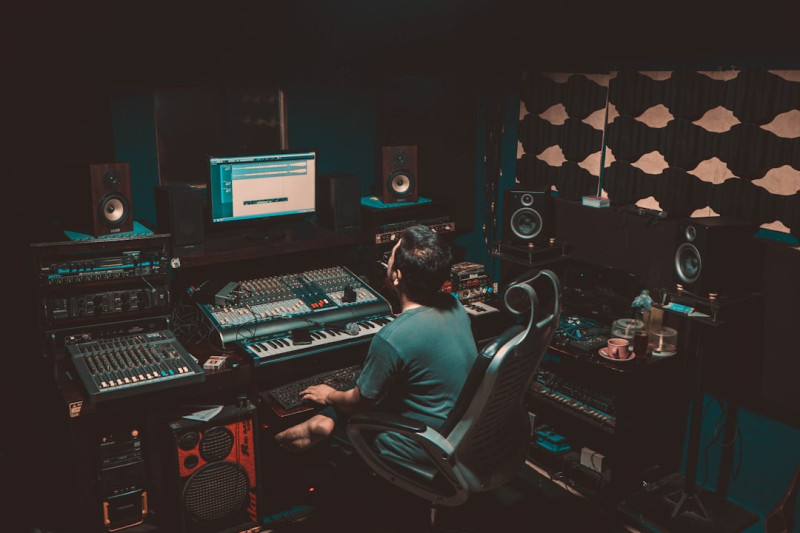
A music promotion budget serves as a financial framework that enables artists to strategically allocate resources across various marketing channels and promotional activities. This systematic approach to financial planning prevents overspending on low-impact initiatives while ensuring adequate funding for high-priority promotional opportunities that can advance an artist’s career trajectory. The primary function of a promotion budget is resource optimization.
By establishing predetermined spending limits for different promotional categories, artists can distribute their financial resources across multiple channels such as digital advertising, content creation, public relations, and performance marketing. This allocation system enables tracking of expenditures and measurement of return on investment for each promotional activity, providing data-driven insights for future budget decisions. Budget implementation requires artists to evaluate and rank promotional strategies based on their potential impact and alignment with career objectives.
This evaluation process involves analyzing the effectiveness of various promotional channels, including social media advertising, music video production, influencer partnerships, and traditional media outreach. Through this prioritization framework, artists can concentrate their resources on promotional activities that demonstrate the highest probability of reaching their target audience and achieving measurable results in terms of audience growth, engagement, and revenue generation.
Key Takeaways
- Establish a clear music promotion budget to effectively manage resources and maximize impact.
- Define specific goals to guide your promotion strategy and budget allocation.
- Research and compare costs across different promotion methods like social media ads, music videos, and PR campaigns.
- Allocate funds strategically for key areas including live performances, merchandise, and streaming promotion.
- Continuously monitor and adjust your budget to optimize results and respond to changing needs.
Setting Clear Goals for Your Music Promotion
Before diving into the specifics of budgeting, it’s crucial to set clear goals for your music promotion efforts. These goals should be specific, measurable, achievable, relevant, and time-bound (SMART). For instance, you might aim to increase your social media following by 20% over the next three months or secure five new playlist placements within a month.
Clear goals provide direction and help you determine where to allocate your budget. Once you have established your goals, you can align your budget accordingly. If your primary objective is to grow your fan base, you might invest more in social media advertising and engagement strategies.

Alternatively, if your focus is on getting radio play, you may want to allocate funds for PR campaigns targeting radio stations. By linking your budget to specific goals, you create a roadmap that guides your promotional efforts.
Researching the Costs of Various Music Promotion Strategies
Understanding the costs associated with different music promotion strategies is vital for effective budgeting. Each strategy comes with its own set of expenses, and knowing these can help you make informed decisions. For example, social media advertising can range from a few dollars a day to thousands per month, depending on your target audience and campaign objectives.
Similarly, hiring a publicist or a marketing agency can vary widely based on their experience and the scope of services offered. Take the time to research and compare costs across various platforms and services. Look into case studies or testimonials from other artists who have successfully navigated similar promotional efforts.
This research will not only give you a clearer picture of potential expenses but also help you identify which strategies have proven effective for artists in your genre or niche.
Allocating Funds for Social Media Advertising
Social media is a powerful tool for music promotion, making it essential to allocate a portion of your budget specifically for advertising on these platforms. Facebook, Instagram, TikTok, and Twitter each offer unique advertising options that can help you reach targeted audiences. Start by determining which platforms are most popular among your target demographic and focus your spending there.
When allocating funds for social media advertising, consider both organic and paid strategies. While paid ads can provide immediate visibility, organic engagement through regular posts and interactions with fans is equally important. A balanced approach allows you to maximize your reach while building a loyal fan base over time.
Set aside funds for creating eye-catching visuals and engaging content that resonates with your audience.

Budgeting for Music Video Production and Promotion
A well-produced music video can significantly enhance your promotional efforts. It serves as a visual representation of your music and can be shared across various platforms to attract new listeners. However, producing a high-quality video often requires a substantial investment.
Costs can include hiring a director, videographer, editor, and even renting equipment or locations. When budgeting for music video production, consider not only the creation costs but also the promotion of the video once it’s completed. Allocate funds for advertising the video on platforms like YouTube and social media to ensure it reaches a wider audience.
Additionally, think about how you can leverage partnerships with influencers or other artists to promote the video further.
Setting Aside Funds for Publicity and PR Campaigns
Public relations play a crucial role in getting your music noticed by industry professionals and potential fans alike. Hiring a publicist or PR agency can help you secure interviews, features in music blogs, and placements on playlists or radio stations. These opportunities can significantly boost your visibility and credibility as an artist.
When budgeting for PR campaigns, consider the scope of services you need. Some publicists offer package deals that include various promotional activities, while others may charge hourly rates or fees based on specific projects. Research different PR professionals to find one that aligns with your goals and budget.
Setting aside funds for ongoing PR efforts can lead to sustained exposure over time.
Planning for Merchandise and Branded Materials
Merchandise is not just an additional revenue stream; it’s also a powerful marketing tool that helps promote your brand. T-shirts, stickers, posters, and other branded materials can create a lasting impression on fans and serve as walking advertisements for your music. When planning your merchandise budget, consider both production costs and potential sales revenue.
Investing in quality merchandise can enhance your brand image and encourage fans to support you financially. Think about what items resonate with your audience and how they can be integrated into your promotional efforts. For example, offering exclusive merchandise during live shows or as part of a pre-order campaign for new music can create excitement and drive sales.
Allocating Funds for Live Performance Promotion
Live performances are an integral part of any artist’s promotional strategy. They provide an opportunity to connect with fans directly and showcase your music in an engaging way. However, promoting live shows requires careful budgeting to cover expenses such as venue rental, sound equipment, marketing materials, and travel costs.
When allocating funds for live performance promotion, consider how you will market the event. Social media ads targeting local audiences can be effective in driving ticket sales. Additionally, collaborating with local artists or influencers can help expand your reach within the community.
A well-promoted live show not only generates income but also strengthens your relationship with fans.
Budgeting for Radio and Streaming Promotion
Getting airplay on radio stations or featured on streaming playlists can significantly increase your exposure as an artist. However, these opportunities often come with associated costs that need to be factored into your budget. Hiring a radio promoter or playlist curator can help you navigate this landscape effectively.
When budgeting for radio and streaming promotion, research the costs involved in submitting your music to various platforms or stations. Some may charge fees for consideration or require payment for promotional services. Allocate funds based on the potential reach of each platform and its relevance to your target audience.
A strategic approach can lead to increased plays and streams over time.
Considering the Costs of Collaborations and Features
Collaborating with other artists can be an effective way to expand your audience and enhance your music’s appeal. However, these collaborations often come with costs that should be included in your budget. This could involve paying for studio time, splitting production costs, or even compensating featured artists.
When planning collaborations, consider both the financial implications and the potential benefits they may bring. A well-executed collaboration can introduce you to new fans and create buzz around your music. Be clear about expectations with collaborators regarding costs and revenue sharing to avoid misunderstandings down the line.
Monitoring and Adjusting Your Music Promotion Budget
Once you have established your music promotion budget, it’s important to monitor its effectiveness regularly. Track where funds are being spent and evaluate the results of each promotional effort against your initial goals. This ongoing assessment will help you identify which strategies are working well and which may need adjustment.
Be prepared to make changes as needed based on performance data. If certain promotional activities are yielding better results than others, consider reallocating funds accordingly. Flexibility in your budgeting approach allows you to respond to new opportunities or challenges as they arise in the ever-evolving music landscape.
In conclusion, creating a comprehensive music promotion budget is essential for any artist looking to succeed in today’s competitive environment. By understanding the importance of budgeting, setting clear goals, researching costs, and monitoring progress, you can make informed decisions that drive your career forward. With careful planning and strategic allocation of resources, you’ll be better positioned to reach new audiences and achieve lasting success in the music industry.
FAQs
What is a music promotion budget?
A music promotion budget is a financial plan that outlines the amount of money an artist or band allocates specifically for marketing and promoting their music. This budget covers expenses such as advertising, social media campaigns, music videos, press releases, and promotional events.
Why is it important to create a music promotion budget?
Creating a music promotion budget helps artists manage their finances effectively, ensuring they allocate sufficient resources to reach their target audience. It also helps prevent overspending and allows for strategic planning of promotional activities to maximize exposure and return on investment.
What expenses should be included in a music promotion budget?
Typical expenses include digital advertising (social media ads, Google ads), music video production, public relations services, distribution costs, merchandise, website maintenance, and costs related to live performances or tours. It may also include fees for hiring marketing professionals or agencies.
How do I determine the right amount to spend on music promotion?
The amount depends on factors such as your overall income, goals, target audience, and the scale of your promotional campaign. New artists might start with a smaller budget and scale up as they gain traction, while established artists may allocate more funds to maintain or grow their presence.
Can I promote my music effectively with a limited budget?
Yes, many artists successfully promote their music with limited funds by focusing on cost-effective strategies like social media engagement, collaborations, email marketing, and leveraging free or low-cost platforms. Prioritizing high-impact activities and careful planning can maximize results.
How often should I review and adjust my music promotion budget?
It’s advisable to review your budget regularly, such as monthly or quarterly, to assess the effectiveness of your promotional efforts and make adjustments based on results, changing goals, or new opportunities.
Are there tools available to help create and manage a music promotion budget?
Yes, there are budgeting tools and software like spreadsheets, financial apps, and specialized music marketing platforms that can help track expenses, forecast costs, and manage your promotion budget efficiently.
